
Why Does My Teapot Drip When Pouring? (The Physics & How to Fix It)
Understand the Coanda effect, spout lip radius, lid-vent airlock, and surface tension behind teapot dribbling—plus four practical fixes that work immediately.
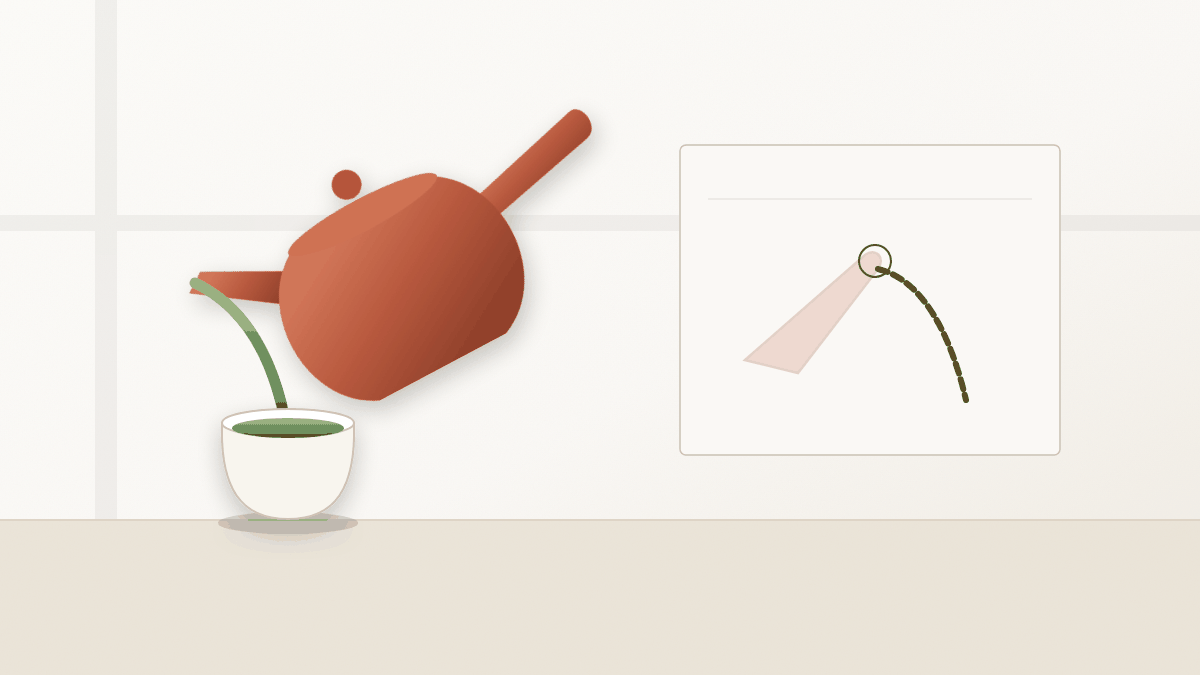
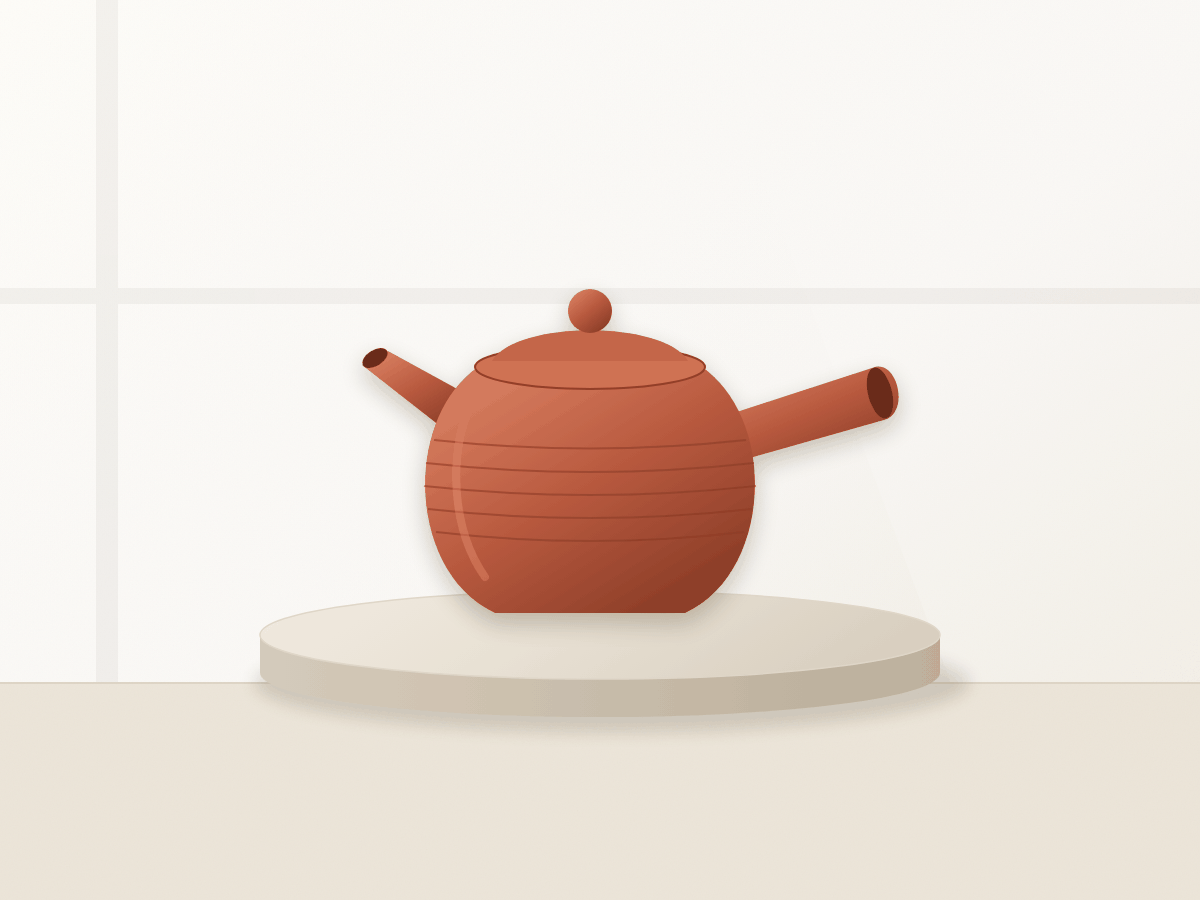
Tokoname Gyokko Yokode Kyusu (320ml)
Best for:Zero-drip laminar pouring for Japanese sencha, gyokuro, and solo gongfu infusions
Tokoname Kyusu Clay · 320 ml (10.8 oz)
- Razor-trimmed Tokoname spout lip severs water cleanly without chin dribbling
- Side-handle yokode lever offers surgical rotational wrist control
- Wide horizontal sasame mesh resists broken-leaf clogging that slows flow
You steep a flawless pot of Taiwanese high-mountain oolong, lean gently over your favorite teacup, and watch a crisp amber arc land right on target. Then, the instant you ease off the tilt, a warm stream curls treasonously under the porcelain lip, runs straight down the spout’s throat, and leaves a dark puddle across your linen napkin.
If you have ever stood over the sink wondering why does my teapot drip while a friend’s minimalist pitcher cuts off like a laser beam, the culprit is rarely clumsy pouring. It is an exact intersection of fluid mechanics, surface chemistry, and ceramic edge geometry that physicists literally named the teapot effect. Once you understand how spout lip radius, airlocks, surface wetting, and the Coanda effect interact during the final half-second of a pour, you can fix almost any stubborn dribbler in under five minutes—or recognize a true non drip teapot on sight before you ever buy another pot.
The Physics of the “Teapot Effect”: Coanda, Inertia, and Surface Tension
Back in 1956, rheologist Markus Reiner coined the term “the teapot effect” after watching hot tea hug the underside of perfectly functional spouts instead of obeying gravity straight downward. Later hydrodynamic studies showed that dribbling is not a single force acting alone, but a tug-of-war among three competing physical factors: fluid inertia (pushing tea forward into the cup), surface tension and wetting (anchoring water molecules to ceramic or glass), and ambient air pressure pushing a slow stream back against the underside of the lip.
1. The Coanda Effect and Under-Lip Low Pressure
Named after Romanian aerodynamics pioneer Henri Coandă, the Coanda effect describes how a moving jet of fluid naturally clings to an adjacent curved wall. As water accelerates down a coanda effect teapot spout, fast-moving fluid entrains surrounding air along its boundary. Where the upper face of the stream meets open atmosphere, air moves freely; on the underside, the solid porcelain or glass rim blocks air replenishment. That creates a localized low-pressure pocket hugging the curved spout edge.
At full tilt, forward momentum easily overpowers that gentle suction, firing a cohesive arc straight toward your mug. The trouble hits during the transition back to upright. As pour velocity drops, inertia weakens—allowing atmospheric pressure from above and adhesive attraction from below to bend the thinned stream snugly around the underside curve of the spout.
2. Spout Lip Radius and Undercut Geometry
Think of a spout edge like an airplane wing in reverse. If the potter dipped a thick, rounded ceramic spout into heavy glossy glaze, surface tension pulled that molten glaze during kiln firing into a plump, bulbous donut around the pouring tip. That generous radius gives slow water a smooth paved highway to wrap 180 degrees underneath the rim.
By contrast, artisan makers engineering a teapot that doesn’t drip carve or grind the lip to a crisp, flat or slightly undercut edge with a radius measured in fractions of a millimeter. When water hits a sharp right-angle or beveled drop-off, the fluid cannot execute a sudden 90-to-180-degree turn without breaking contact—snapping the stream cleanly free in midair.
3. Surface Wettability (Hydrophilic vs. Hydrophobic Rims)
Even a finely shaped spout turns messy when its microscopic texture becomes ultra-wettable (hydrophilic). Clean vitrified glaze or polished borosilicate glass already invites thin water films to spread gently across it, yet invisible hard-water calcium carbonate crust and rough polymerized tea tannins act like microscopic Velcro. By lowering the water contact angle toward zero, mineral film anchors clinging droplets along the lip underside—turning an effortless clean cutter into a chronic teapot spout dripping headache.
4. Lid-Vent Airlock and Internal Strainer Choking
Pouring tea out of a closed pot requires room air to enter at the exact rate liquid exits. If your teapot lid sits tightly inside its collar without an open steam vent—or if your thumb accidentally covers the pinhole while pouring—falling water pulls a partial vacuum inside the chamber. That negative pressure throttles flow velocity abruptly, dropping the stream directly into the sluggish Coanda danger zone. Even worse, clogged built-in strainer holes at the base of the spout produce the identical velocity collapse, starving the stream mid-pour and forcing water to dribble sideways.
Diagnostic Matrix: Spout Anatomy & Pouring Failure Modes
Before grabbing tools or blaming your wrist technique, match your teapot’s symptoms against these five root causes observed across our studio pour-test bench:
| Symptom While Pouring | Underlying Physical Cause | Quick Diagnostic Clue | Fastest Practical Fix |
|---|---|---|---|
| Stream wraps under lip at end of every pour | Large rounded spout radius + smooth glaze bulge | Rim feels plump or blunt to a fingertip | Decisive upward wrist snap + hydrophobic lip polish |
| Tea pulses, glugs, or sputters mid-cup | Lid-vent airlock creating chamber vacuum | Pour instantly smooths when you crack the lid open | Clear blocked lid pinhole and adjust thumb position |
| Slow, weak dribble even when tilted steeply | Tea leaf fragments choking built-in strainer | Leaves pack tightly across inner spout perforations | Flush strainer with bamboo skewer + oxygen soak |
| Previously clean teapot suddenly drips | Hydrophilic hard-water scale & tannin crust on tip | Faint chalky ring or amber haze along spout mouth | Descale spout tip in warm citric acid soak |
| Spout weeps before cup even tilts deeply | Low-mounted belly spout set below full fill line | Waterline sits near spout tip when pot rests level | Reduce fill volume 15–20% below neck junction |
Four Practical Fixes That Stop Teapot Spout Dripping Immediately
You do not need to relegate a sentimental porcelain heirloom or favorite glass pot to the back shelf just because it dribbles. Apply these four physics-backed fixes sequentially—most owners eliminate 90 percent of stray drops by step three.
Fix 1: Master the “Decisive Wrist Snap” and Pour Velocity
Most people inadvertently worsen teapot spout dripping by pouring too timidly. Worried about splashing hot liquor across the saucer, they tilt the pot slowly and drizzle a pencil-thin thread of tea into the cup. Because low flow velocity minimizes forward inertia, a slow drizzle surrenders immediately to the Coanda effect.
Instead, pour confidently at a deliberate tilt angle so fluid momentum carries the stream crisply past the spout edge. Then, the split second your teacup reaches target height, do not slowly lower the pot backward. Execute a quick, crisp upward snap of the wrist—lifting the spout vertically as you level the pot. That rapid upward acceleration stretches and snaps the trailing meniscus cleanly away from the lip edge before the boundary layer can fold backward underneath.
(Tip: Keeping extraction stress-free helps your pour technique stay unhurried—pair precise infusion timing with our interactive tea steeping timer rather than rushing to pull leaves mid-spill.)
Fix 2: Clear the Lid Vent Hole and Internal Filter Mesh
Check the top of your teapot lid under good lighting. Almost every functional lidded teapot includes a tiny breather hole bored through the clay, glass, or steel lid. Over months of brewing, starchy dust, dried honey residue, or hard-water scale frequently seals that pinhole shut—or a tight silicone ring completely locks out air.
- Test With the Lid Slightly Ajar: Pour plain hot water with the lid offset by three millimeters. If the stream instantly turns quiet, thick, and drip-free, you just caught an airlock.
- Clear the Vent Pin: Thread a clean wooden toothpick or thin nylon brush bristle through the lid vent from both sides.
- Orient Your Thumb Correctly: Watch where your stabilizing finger sits during a pour. On traditional Japanese side-handle kyusu, artisans drill the vent hole specifically so a right-handed thumb holding the lid knob never seals it. If you pour left-handed or use a rear-handle English pot, rotate the lid 90 to 180 degrees so the vent stays exposed to open air.
- Unclog Built-In Strainer Holes: If loose leaves jam the inner spout wall, soak the vessel and gently sweep each ceramic perforation from the inside out using a blunt bamboo skewer, following our complete teapot care guide.
Fix 3: Strip Hydrophilic Scale and Invisible Tannin Film from the Spout Lip
Look closely inside the last centimeter of your spout tip. Even when the pot belly gleams, hard municipal water deposits invisible micro-crystals of calcium carbonate around the cooling pouring lip, and oxidized thearubigins bind right on top. Those porous deposits grab water droplets like blotting paper.
To restore original factory surface tension on borosilicate glass, glazed porcelain, or glazed stoneware (never unglazed clay!):
- Dissolve 1 tablespoon of food-grade citric acid into 500ml of warm water (60°C / 140°F) inside a tall mug or deep bowl.
- Rest the teapot spout tip submerged inside the citric acid bath for 15 minutes to chelate chalky mineral scale.
- Follow with a 15-minute warm sodium percarbonate soak—detailed step-by-step in our natural tea stain removal guide—to lift dark organic tannins from the inner spout throat.
- Rinse thoroughly under hot running water and buff the exterior lip crisp and dry with a lint-free linen cloth.
Fix 4: The Food-Safe Beeswax Lip Trick (For Stubborn Glazed Ceramic & Glass)
When physics and clean glaze still cannot overcome a blunt, thick factory spout on a favorite novelty ceramic or glass pot, hospitality stewards have relied for decades on a clever surface-energy hack: hydrophobic lip conditioning.
By coating just the exterior lower lip—never the inside throat where tea flows—with a microscopic layer of food-safe wax, you raise the surface contact angle of water above 90 degrees. Water simply refuses to adhere to the waxed underside, forcing droplets to snap straight forward into the cup.
How to apply it safely and cleanly:
- Warm the completely dry, clean glazed ceramic or glass teapot with hot water inside so the spout stays gently warm to the touch, then wipe the outer tip bone-dry.
- Touch a tiny sliver of pure, unscented food-grade beeswax (or solid food-grade carnauba/paraffin candle wax—skip scented lip balms or essential-oil blends) lightly across just the bottom outer 5 millimeters beneath the spout lip. Do not smear wax up into the pouring channel.
- Immediately buff away all visible wax film using a clean dry paper towel or cotton cloth until the glaze looks completely untouched. An invisible molecular layer remains.
Clara’s Critical Warning: Never apply beeswax, butter, or cooking oil to unglazed porous clay teapots such as Yixing Zisha or Tokoname stoneware! Porous clay wicks lipids straight into its mineral capillaries, turning rancid over weeks and permanently ruining tea aromatics. Stick strictly to non-porous glazed ceramic or glass for temporary wax conditioning, and reapply gently every few detergent washes.
How to Spot a True Non-Drip Teapot Before You Buy
If you are shopping for a teapot that doesn’t drip for daily service, inspect four concrete engineering traits in product photos or in-hand before checking out. Every high-scoring vessel in our curated teapot gallery passes these exact checks:
- Beveled or Sharp-Cut Spout Rim: Zoom in on the pouring tip from a side profile. Look for an angled forward bevel, a flared sharp glass cut, or a finely trimmed ceramic edge rather than a thick, rolled-over bullnose lip.
- High Spout Exit Above Waterline: The tip of the spout should rise comfortably level with—or higher than—the maximum rim opening of the body. Spouts mounted low on a wide belly fight hydraulic head pressure from the first tilt.
- Generous Strainer Surface Area: Narrow, short mesh balls choke easily on unfurling rolled oolong or broken Japanese sencha, starving the spout of water pressure. Wide-span built-in ceramic sasame strainers or deep removable stainless baskets preserve full laminar flow down to the final drop.
- Balanced Handle Leverage Near the Center of Gravity: A heavy pot with an awkward, cramped handle forces a hesitant forearm rotation, encouraging slow dribbles. Ergonomic rear arches or traditional side handles (yokode) let your wrist deliver smooth, controlled acceleration on demand.
To explore how clay firing, spout sculpting, and basket geometry compare across materials before choosing your next vessel, review our teapot materials comparison or dive into traditional side-handle craft in our Japanese kyusu teapots guide.
Two Engineered Non-Drip Teapots That Pour Cleanly Every Time
Both of these bench-tested standouts earned a flawless 10/10 pour score in our studio trials—proving that whether you brew solo Japanese greens or host four-cup afternoon gatherings, clean cutoff is pure engineering.
1. Tokoname Gyokko Yokode Kyusu (320ml) — The Artisan Precision Benchmark
Japanese Tokoname potters treat spout carving with the seriousness of lens grinding, and the Tokoname Gyokko Yokode Kyusu (320ml) represents the pinnacle of non drip teapot physics. Crafted from unglazed, iron-rich red clay, its tapered spout wall thins dramatically toward an exact, crisp-trimmed lip that severs the liquid meniscus cleanly the moment you level your wrist. Inside, a broad integrated mesh spans the spout wall so delicate steamed sencha needles never clog flow—even down to the final concentrated shizuku (“golden drop”). Meanwhile, the perpendicular yokode side handle aligns naturally with your forearm muscles for effortless rotational cutoff without ever brushing the lid vent.
2. Bredemeijer Duet Bella Ronde Insulated Teapot (1.2L) — The Zero-Drip Hosting Sphere
Round spherical teapots are notoriously prone to chin dripping, yet the Bredemeijer Duet Bella Ronde Insulated Teapot (1.2L) solves the problem outright. Engineered with an internal-baffled spout throat that narrows cleanly toward a precision-angled discharge edge, it releases a glassy, bubble-free laminar column whether pouring a modest two-ounce tasting or filling four breakfast mugs consecutively. Double-walled insulated construction holds steep warmth for nearly an hour while keeping the contoured arch handle cool for relaxed, steady wrist control. Want to see how these precision pourers stack up against sculptural glass and heirloom iron? Browse our flagship roundup of the 25 coolest and most unique teapots.
Hands-On Benchmarks
Tested Picks & Recommendations
Tokoname Gyokko Yokode Kyusu (320ml)
Tokoname Kyusu Clay · 320 ml (10.8 oz)
Best ForZero-drip laminar pouring for Japanese sencha, gyokuro, and solo gongfu infusions
What We Loved
- Razor-trimmed Tokoname spout lip severs water cleanly without chin dribbling
- Side-handle yokode lever offers surgical rotational wrist control
- Wide horizontal sasame mesh resists broken-leaf clogging that slows flow
Trade-offs
- Unglazed red clay absorbs strong aromatics, best dedicated to green or light oolong teas
- 320ml chamber targets solo or two-cup service rather than large group hosting
Bredemeijer Duet Bella Ronde Insulated Teapot (1.2L)
Ceramic & Stoneware · 1,200 ml (40.5 oz)
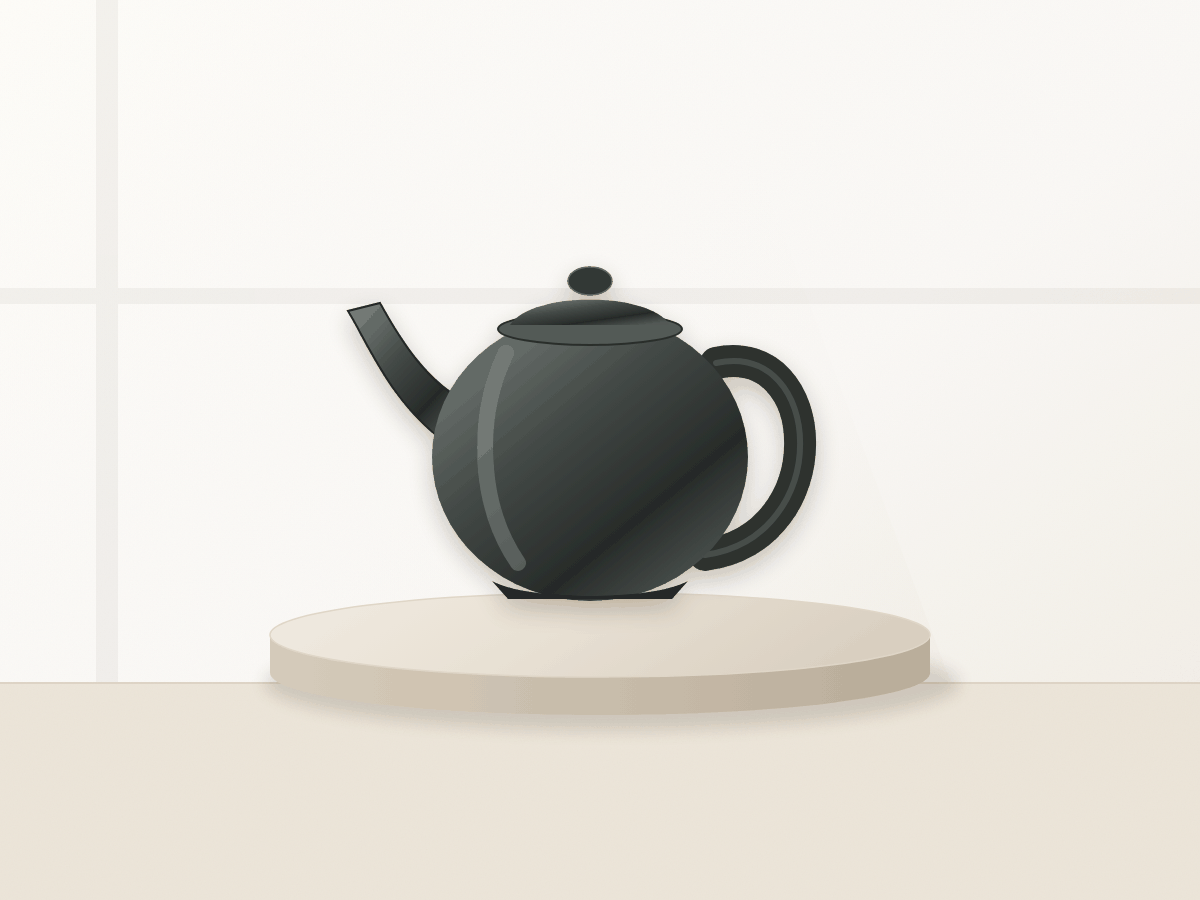
Best ForDrip-free formal hosting and hour-long tabletop thermal retention
What We Loved
- Internal-baffled spout throat channels a steady laminar column at full or half charge
- Double-walled insulated body keeps tea hot for up to 60 minutes without a warmer
- Cool-touch arch handle gives effortless balance over a full 1.2-liter load
Trade-offs
- Insulated wall thickness prevents placing on candle warmers or direct stovetops
- Generous spherical footprint demands deeper cupboard shelf clearance
Frequently Asked Questions
What is the teapot effect in physics, and why does it cause Coanda effect teapot dripping?
The teapot effect describes the tendency of a slow-moving liquid stream to curl backward along the underside of a spout rather than falling straight into your cup. It combines surface tension, hydrophilic wetting on ceramic or glass, and the Coanda effect—where fluid adheres to a curved surface due to a lower-pressure boundary zone hugging the underside of the lip.
How sharp does a spout lip need to be to make a true non drip teapot?
A clean-pouring teapot spout needs a crisp outer edge radius—ideally well under one millimeter—paired with a slight downward bevel or subtle undercut below the tip. Rounded, heavily glazed stoneware lips create a smooth curved runway for water to wrap around, whereas sharp, unrounded edges force the boundary layer to detach cleanly in midair.
Can rubbing beeswax or butter under the spout lip stop teapot spout dripping?
Lightly buffing a micro-thin film of food-grade beeswax or neutral wax onto the dry outer underside of a glazed porcelain or glass spout tip can temporarily interrupt dripping by raising the water contact angle above 90 degrees so liquid cannot wet the underside. Avoid applying wax or butter inside the spout throat or onto unglazed Yixing or Tokoname clay, where oils absorb permanently and turn rancid.
Where should the lid vent hole point when pouring from a teapot?
Keep the lid steam vent completely unobstructed and positioned away from your stabilizing thumb or forefinger. Many Japanese yokode kyusu potters intentionally align the lid vent near the handle or opposite the spout depending on right- or left-handed thumb placement so your finger never seals the air intake and causes a vacuum glug.
Why did my teapot start dripping suddenly after years of pouring cleanly?
Sudden teapot spout dripping in a previously clean-pouring vessel almost always points to one of two reversible issues: invisible hard-water limescale and rough tea-tannin deposits building a hydrophilic bridge on the spout lip, or broken tea dust partially choking the built-in strainer holes inside the spout base and slowing stream velocity below the clean cutoff threshold.
Care & Physics
Related Guides in This Cluster
How to Clean, Descale, and Maintain Every Type of Teapot
A material-by-material protocol to clean, descale, and preserve glass, porcelain, raw Zisha clay, Tokoname stoneware, and cast iron teapots without ruining patina.
Can You Put a Glass Teapot on an Electric or Gas Stove Safely?
Safety guide to heating borosilicate glass teapots on gas, electric coil, glass-ceramic, and induction cooktops—avoiding thermal shock and shatter risks.
How to Season a Cast Iron Teapot (And Prevent Inside Rust)
Learn how to season raw Nanbu Tekki tetsubin kettles versus enamel-lined cast iron teapots, neutralize flash rust with green tea tannins, and dry properly.