
Authentic Japanese Kyusu Teapots: Side-Handle vs. Back-Handle Picks
Master the craft of authentic Japanese kyusu teapots: yokode side-handle ergonomics, Tokoname clay mineral physics, and sasame ceramic mesh vs. steel strainers.
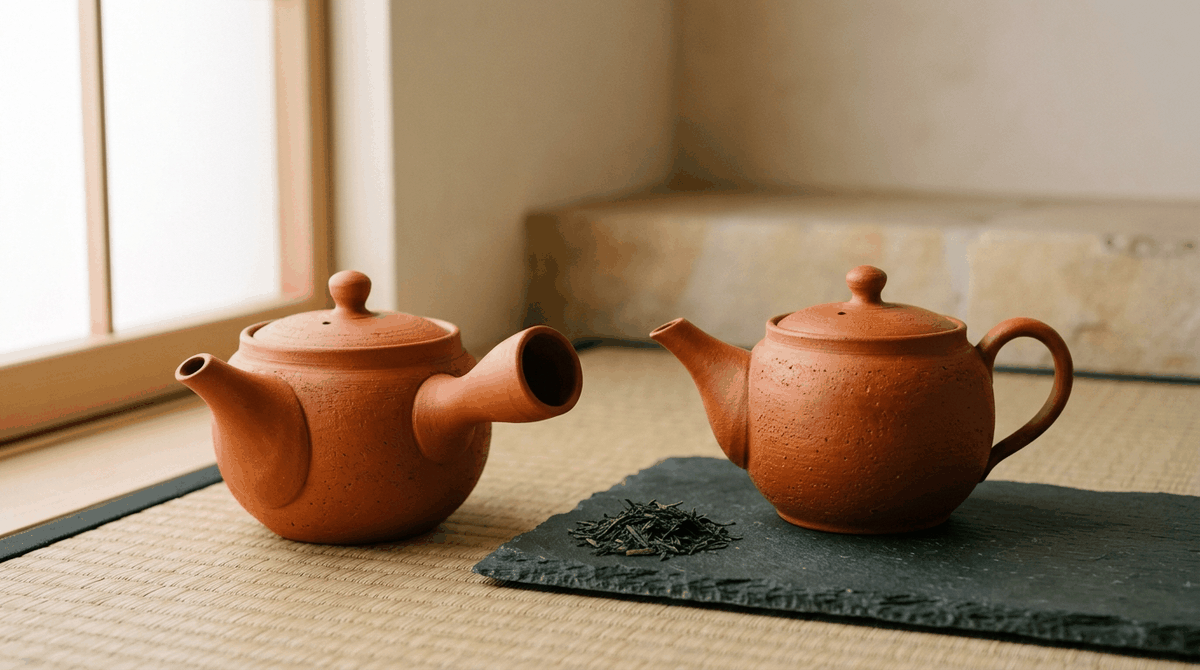
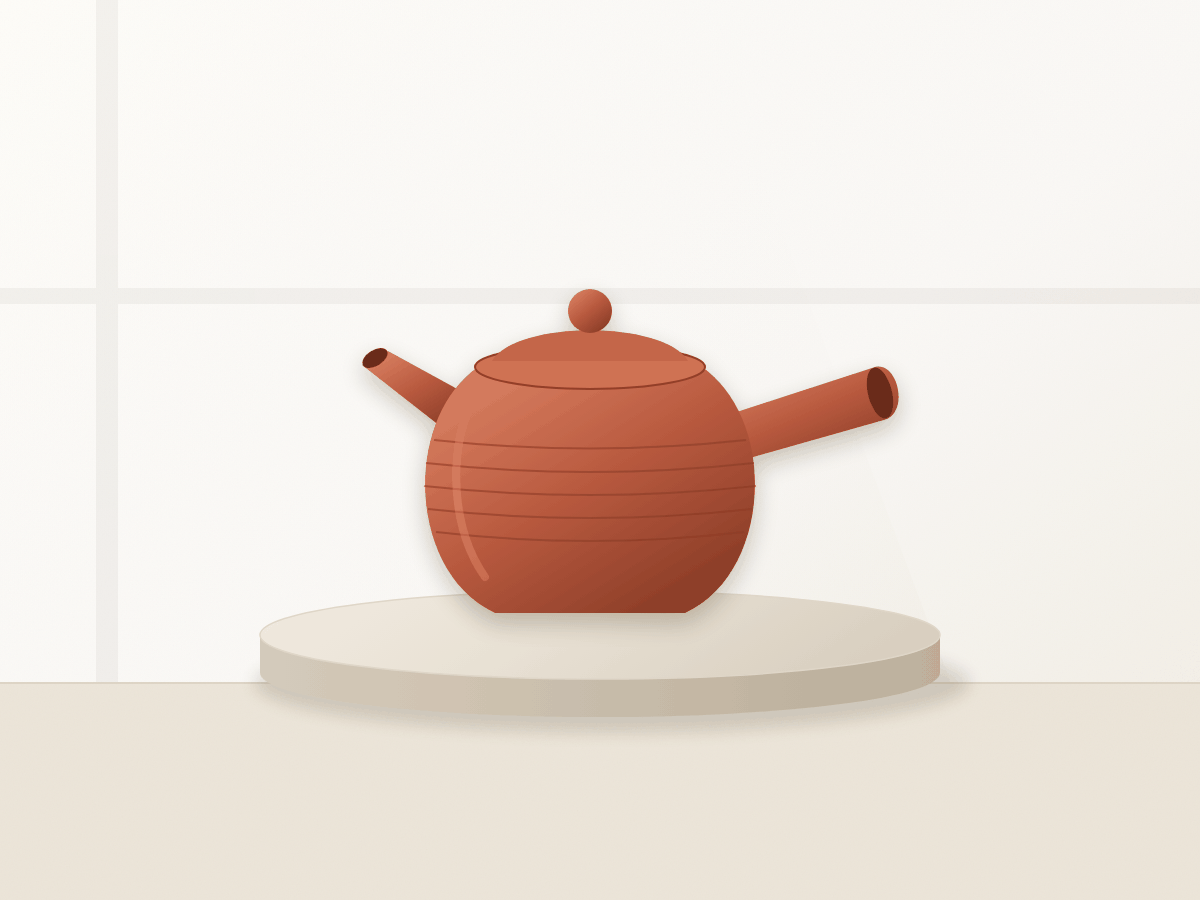
Gyokko Kiln Tokoname-Yaki Side-Handle Kyusu
Best for:Sencha, kabusecha, gyokuro, and traditional one-handed wrist pours
Tokoname Kyusu Clay · 320 ml (10.8 oz)
- Reduction-fired Tokoname clay mellows sharp catechin astringency via iron-oxide interaction
- Integrated ceramic sasame strainer captures fine fukamushi needles while keeping brisk drainage
- Precision-tapered spout delivers a clean 10/10 laminar stop down to the final umami drop
In Japanese tea culture, an old proverb reminds brewers that the final three drops hold the soul of the infusion. While Western teapots evolved around tall vertical bodies built to steep black tea slowly at the center of a dining table, the Japanese teapot evolved around rapid precision, low-temperature umami extraction, and emptying the chamber completely between thirty-second infusions.
That obsession gave birth to the kyusu teapot. Derived historically from Chinese pouring vessels (jiūshì), the modern Japanese kyusu teapot represents centuries of ceramic ergonomics—most famously expressed through the hollow 90-degree side handle (yokode), reduction-fired Tokoname stoneware, and finely perforated internal clay strainers.
Whether you are choosing your first daily best teapot for loose leaf tea or upgrading to a kiln-signed clay heirloom, understanding handle biomechanics, clay mineral chemistry, and mesh geometry prevents common mismatches before your first steep.
Side-Handle (Yokode) vs. Back-Handle (Ushirode) Ergonomics
Although kyusu technically refers to any Japanese pouring teapot, three distinct handle architectures dominate artisan kilns—and each puts markedly different mechanical forces on your hand and wrist.
1. Yokode Kyusu (90-Degree Side Handle)
The signature yokode attaches perpendicular to the spout, extending outward like a hollow ceramic horn. When you lift a side-handle kyusu teapot, your thumb rests naturally on the lid knob while your index and middle fingers wrap the cool hollow stem.
From a biomechanical standpoint, pouring requires simple forearm rotation (pronation) rather than strenuous wrist flexion. That mechanical advantage accomplishes two critical feats:
- Effortless 90-Degree Inversion: You can tip the vessel steeply enough to drain every last concentrated drop of sencha or gyokuro without straining your wrist tendons.
- Superior Lid Control: Your thumb pins the lid seat firmly against the belly, preventing slippery ceramic lids from shifting forward during aggressive pours.
- Thermal Isolation: Hollow-thrown clay handles act as cooling chimneys, remaining comfortable even after repeated warm infusions.
Important caveat: Traditional yokode pots are orientation-specific. A standard right-handed side-handle points toward 3 o’clock when the spout faces noon, pouring inward toward your left hand. Left-handed drinkers either order dedicated left-handed yokode pots, adopt a handleless hohin, or switch seamlessly to a back-handle ushirode.
2. Ushirode Kyusu (Rear Back Handle)
Familiar to Western tea drinkers, the ushirode mounts directly opposite the spout at 6 o’clock. While pouring at steep angles demands slightly more wrist flexion when a pot exceeds 700ml, back-handle vessels bring major practical perks:
- True Ambidextrous Balance: Left-handed and right-handed brewers pour with identical grip symmetry.
- Higher Serving Capacities: Rear loops safely support 600ml to 1000ml stoneware bodies (such as the Zero Japan Universal Beehouse Artisan Ceramic Teapot) without twisting laterally under load.
- Broad Tea Versatility: Perfect if your daily rotation jumps from Japanese green tea to black Assam or floral oolongs.
3. Uwade / Dobin (Overhead Arch Handle)
Featuring an arched bamboo, rattan, or braided wire handle suspended above the lid, dobin vessels keep fingers completely clear of hot clay walls—making them popular for larger family pours of roasted hojicha and toasted genmaicha.
Tokoname Clay Physics vs. Glazed Mino Stoneware
Once handle layout clicks into place, the single greatest flavor variable in any Japanese kyusu teapot is whether the interior clay wall remains raw and unglazed or sealed under vitrified ceramic glaze.
Unglazed Reduction-Fired Clay (Tokoname-Yaki & Banko-Yaki)
Located in Aichi Prefecture along Ise Bay, Tokoname stands as the most celebrated kyusu kiln region in Japan. Tokoname clay (shudei red iron clay or carbon-fired kokudei black clay) is packed with natural ferric oxide and fired at high temperatures without interior glaze.
Rather than functioning like a neutral glass beaker, unglazed reduction-fired clay engages directly with your tea liquor:
- Catechins & Iron-Oxide Buffering: Trace iron ions on microscopic clay surfaces interact gently with harsh tea polyphenols, noticeably rounding sharp bitter edges in first-harvest sencha and gyokuro without muting bright grassy sweetness.
- Micro-Porosity & Thermal Stability: Dense vitrified clay retains heat steadily (
heatScore~8.5/10) while developing a subtle sheen over years of single-genre brewing. - Dedication Rule: Because unglazed pores retain microscopic aromatic oils, reserve an unglazed Tokoname pot strictly for unflavored green teas (or one dedicated oolong profile). Never brew heavily perfumed bergamot Earl Grey or spiced chai inside raw clay.
Explore our Teapot Materials Comparison for a full cross-material breakdown comparing raw Japanese clay against Chinese Yixing Zisha, glass, and cast iron.
Glazed Porcelain & Mino Stoneware
Kilns across Gifu Prefecture (Mino-yaki) and Saga Prefecture (Arita-yaki) produce luminous glazed stoneware and porcelain kyusu sealed completely beneath smooth silica glass glazes.
Glazed pots forfeit Tokoname’s tannin-softening chemistry—meaning astringent leaves reveal their exact, unvarnished profile—in exchange for effortless versatility. You can steep delicate white tea at noon, aromatic jasmine oolong at three, and bold Darjeeling at dusk without scrubbing or flavor ghosting. For many drinkers seeking a single best teapot for loose leaf tea that spans every cupboard tin, glazed stoneware wins hands down.
Strainer Architecture: Ceramic Sasame vs. Obi-Ami Steel Mesh vs. Basket Infusers
Steamed Japanese green teas break down into radically different leaf sizes depending on steaming duration—and choosing the wrong built-in filter causes agonizingly slow dribbles that ruin a 45-second steep.
- Integrated Ceramic Sasame Mesh: Artisans hand-punch dozens of fine dome or flat perforations directly into a thin clay screen molded behind the spout root. Sasame filters eliminate all metal contact, showcase remarkable craftsmanship, and drain whole-leaf asamushi (lightly steamed) sencha, kabusecha, and gyokuro swiftly while keeping crisp flow discipline.
- 360-Degree Obi-Ami Steel Band: A whisper-thin strip of ultra-fine stainless steel mesh lining the entire inner circumference of the clay belly. Because water escapes across the entire perimeter rather than a single spout corner, obi-ami handles fukamushi sencha (deep-steamed green tea whose fragile leaves fracture into fine particles) without plugging.
- Removable Deep Basket Infuser: Common on contemporary ushirode ceramic pots (and glass icons like the Hario ChaCha Kyusu Maru 700ml), a deep lift-out stainless basket excels for convenient one-tap leaf disposal and crisp multi-tea rotation. Just ensure the basket diameter matches at least 60% of the belly width so rolled leaves hydrate freely.
Curated Lab-Tested Japanese Kyusu Picks
1. Gyokko Kiln Tokoname-Yaki Side-Handle Kyusu (Best Authentic Yokode)
When you hold the Gyokko Kiln Tokoname-Yaki Side-Handle Kyusu, the weight distribution immediately reveals why serious sencha drinkers revere Tokoname craftsmanship. At 320ml, its compact belly balances effortlessly between thumb and middle finger, keeping your knuckles well away from rising steam.
During our pour-bench trials, the Gyokko spout delivered a spotless 10/10 laminar cut-off: the pale green stream snapped shut cleanly mid-air with zero underside runback, even as we shook out the final savory drops of a third infusion. Inside, a densely perforated ceramic sasame screen blocks fine leaf tips while keeping drain times brisk—and the reduction-fired iron clay noticeably rounds off rough bitterness in bold spring shincha.
- Best For: Purists brewing sencha, kabusecha, gyokuro, and brisk Taiwanese high-mountain oolongs (
$$$investment tier). - Pour Score: 10 / 10 | Heat Score: 8.5 / 10
2. Zero Japan Universal Beehouse Artisan Ceramic Teapot (Best Ushirode Back-Handle)
For households seeking a rock-solid Japanese teapot built for everyday versatility, ambidextrous sharing, and zero fuss at the sink, the Zero Japan Universal Beehouse Artisan Ceramic Teapot remains an enduring design benchmark.
Crafted from thick-walled Mino-ware glazed stoneware (available across solo 450ml up to 680ml sharing models and larger sizes), its signature hinged stainless steel lid flips open with one thumb and unclips completely for deep rinsing. Its deep stainless mesh basket reaches deep enough to hydrate modest solo portions while accommodating full-pot entertaining, and the crisp glazed spout lip earned a near-perfect 9.5/10 pour score across repeated tilt speeds.
- Best For: Left- or right-handed drinkers, roasted hojicha, black teas, and daily all-purpose loose-leaf convenience (
$$tier). - Pour Score: 9.5 / 10 | Heat Score: 8.5 / 10
Japanese Kyusu Style Comparison Table
| Kyusu Style | Handle Position | Typical Material | Ideal Capacity | Best Tea Matches | Standout Strength |
|---|---|---|---|---|---|
| Classic Yokode Kyusu | 90-degree right side | Unglazed Tokoname or Banko clay | 220ml–360ml | Sencha, kabusecha, gyokuro | One-handed wrist rotation & tannin smoothing |
| Glazed Ushirode Kyusu | Rear loop opposite spout | Glazed Mino or Arita stoneware | 450ml–750ml | Hojicha, oolong, black tea, herbal | Ambidextrous grip & zero flavor carryover |
| Flat Hira-Kyusu | Wide low-profile side handle | Unglazed clay (shallow dish) | 120ml–220ml | Shade-grown gyokuro, premium shincha | Wide shallow floor prevents leaf clumping |
| Handleless Shiboridashi / Hohin | None (flared thermal lip) | Porcelain or unglazed clay | 80ml–180ml | Ultra-low-temp gyokuro, tencha | Maximum thermal control & direct leaf viewing |
Dialing Temperature, Steep Time & Clay Maintenance
Because most authentic kyusu teapots hold compact volumes built for high leaf-to-water ratios, missing a steep mark by twenty seconds makes the difference between sweet broth-like umami and sharp astringency. Use our Tea Steeping Timer Tool to pair 158°F (70°C) water and 90-second pulses for gyokuro, or 175°F (80°C) water and 45-to-60-second pulls for crisp sencha.
When cleaning unglazed clay, keep dish soap and abrasive scrubbers strictly away from the vessel. Dump spent leaves promptly, swirl warm water through the spout backwards from the tip to clear tiny leaf fragments from the sasame holes, and air dry with the lid resting beside the pot. Detailed flushing and mineral descaling routines live in our Complete Teapot Care Guide.
Want to explore kinetic glass brewers, cast iron tetsubin, and sculptural vessels alongside Japanese stoneware? Head back to our full pillar roundup of the 25 Coolest & Most Unique Teapots That Actually Pour Well or examine optical glass options in Best Borosilicate Glass Teapots for Blooming Tea.
Hands-On Benchmarks
Tested Picks & Recommendations
Gyokko Kiln Tokoname-Yaki Side-Handle Kyusu
Tokoname Kyusu Clay · 320 ml (10.8 oz)
Best ForSencha, kabusecha, gyokuro, and traditional one-handed wrist pours
What We Loved
- Reduction-fired Tokoname clay mellows sharp catechin astringency via iron-oxide interaction
- Integrated ceramic sasame strainer captures fine fukamushi needles while keeping brisk drainage
- Precision-tapered spout delivers a clean 10/10 laminar stop down to the final umami drop
Trade-offs
- Right-handed 90-degree yokode orientation is tailored primarily for right-hand pouring
- Compact 320ml belly requires short multi-steep cycles rather than batch brewing
Zero Japan Universal Beehouse Artisan Ceramic Teapot
Ceramic & Stoneware · 450 ml (15.2 oz)
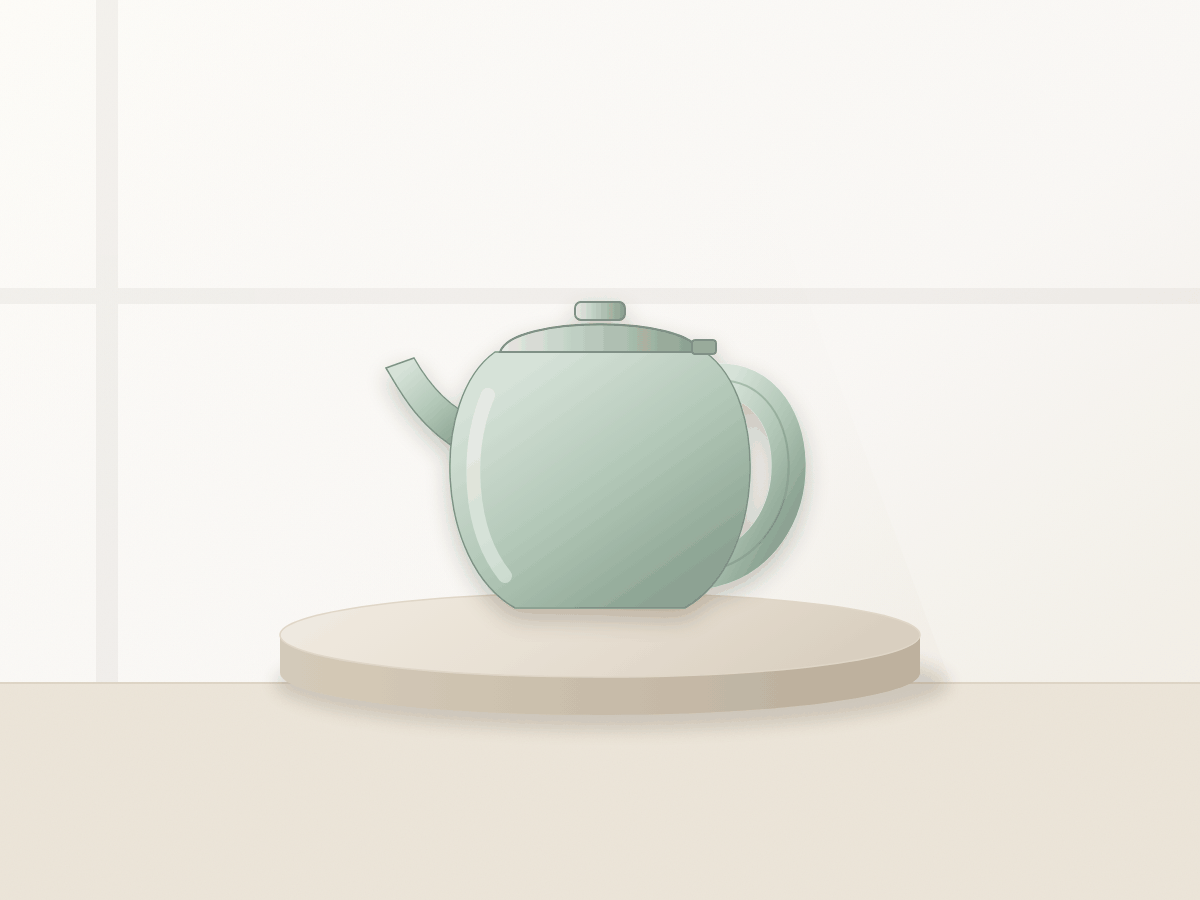
Best ForAmbidextrous daily pouring, roasted hojicha, black teas, and multi-cup servings
What We Loved
- Mino-ware glazed stoneware serves left-handed and right-handed pourers effortlessly
- Hinged removable stainless steel lid and deep basket rinse spotless with zero flavor memory
- Balanced ushirode back-handle and sharp spout lip produce clean, drip-free pours
Trade-offs
- Non-porous interior glaze preserves leaf brightness instead of softening tannins like raw clay
- Metal lid clip can absorb heat during full-boil black tea infusions
Frequently Asked Questions
Why do traditional Japanese kyusu teapots have a side handle?
A 90-degree side handle (yokode) uses simple forearm pronation rather than wrist flexion, reducing joint torque while allowing your thumb to pin the lid button steady and drain every last umami-rich drop cleanly.
Should I pick unglazed Tokoname clay or glazed stoneware for my first kyusu?
Choose unglazed Tokoname clay if you primarily drink steamed Japanese green teas like sencha, kabusecha, and gyokuro, since iron oxides subtly soften bitterness. Choose glazed Mino or Arita stoneware if you switch daily between green teas, oolongs, and black or herbal blends without flavor carryover.
What is the difference between a ceramic sasame filter and an obi stainless steel mesh band?
A ceramic sasame filter consists of fine holes punched directly through the clay wall behind the spout root, avoiding metallic taste and flowing smoothly for standard sencha. An obi-ami wraps a 360-degree strip of ultra-fine stainless steel mesh around the entire inner circumference, preventing clogs when brewing powdery deep-steamed fukamushi sencha.
Can left-handed drinkers use a side-handle yokode kyusu comfortably?
Traditional yokode handles sit at 90 degrees clockwise from the spout for right-hand rotation. Left-handed tea lovers should look specifically for a left-handed yokode, a symmetrical ushirode (back-handle) stoneware kyusu, or a handleless hohin or shiboridashi vessel.
How do you clean an unglazed Japanese clay kyusu without ruining it?
Empty used leaves promptly, rinse the clay interior and sasame filter with warm water only, and let the pot air dry completely with the lid off. Never use dish soap, harsh detergents, or a dishwasher on porous unglazed Tokoname or Banko clay.
Curated Picks
Related Guides in This Cluster
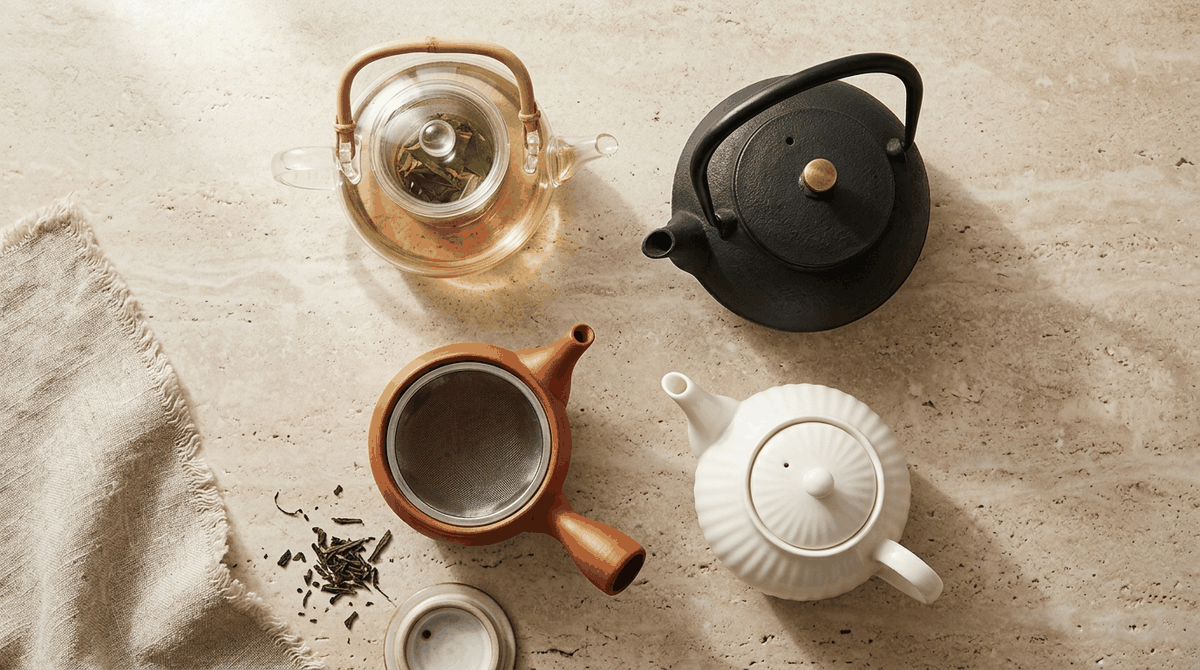
25 Coolest & Most Unique Teapots That Actually Pour Well
Our lab-tested guide to the 25 coolest and most unique teapots—combining sculptural glass, Japanese kyusu, and cast iron with laminar non-drip pouring.
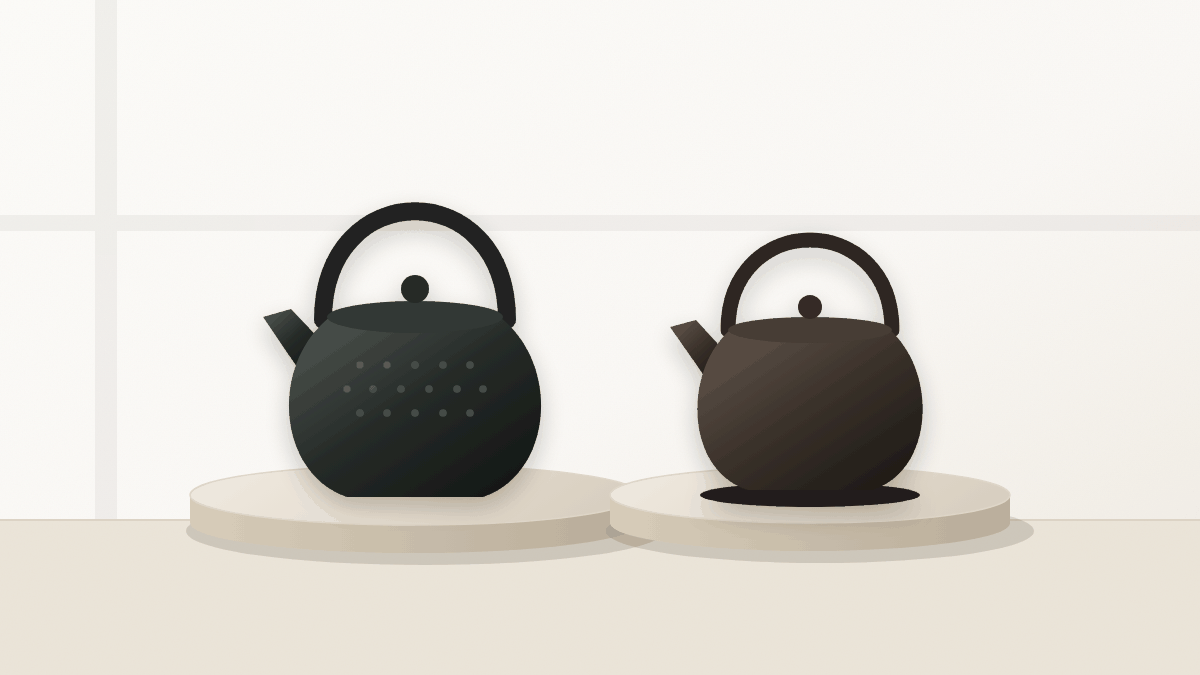
Best Japanese Cast Iron Teapots (Tetsubin) That Won't Rust
Hands-on comparison of the best Nanbu Tekki cast iron tetsubin and enamel-lined iron teapots—covering internal rust prevention, heat inertia, and safe daily use.
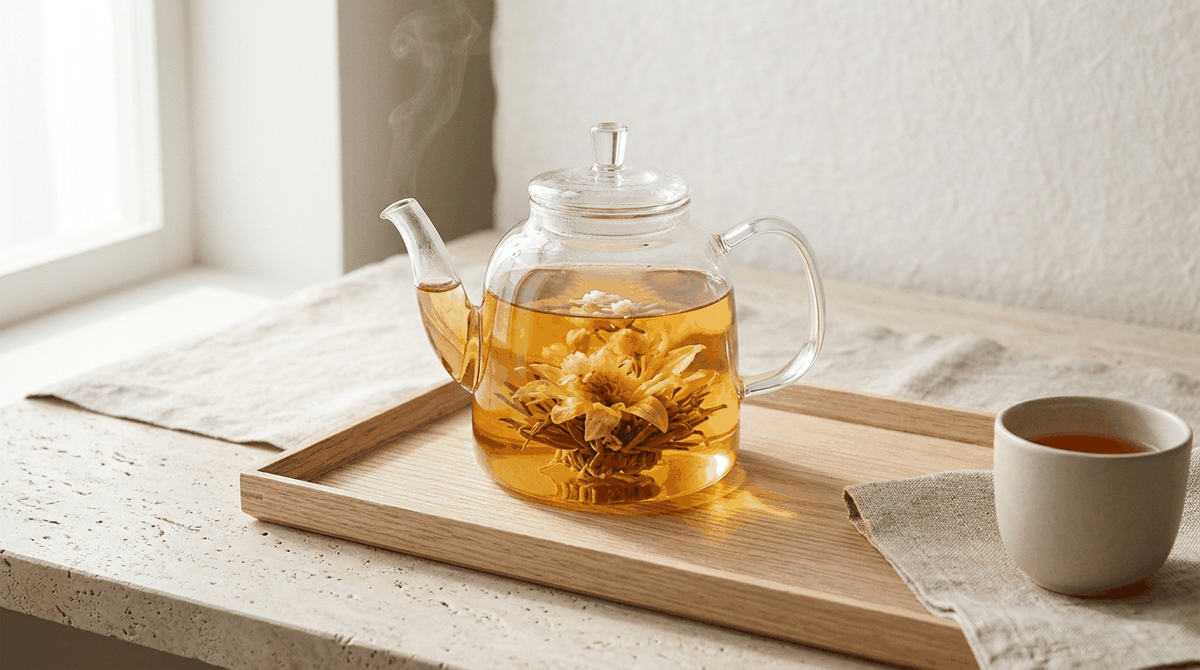
Best Borosilicate Glass Teapots for Blooming Tea (Heat-Resistant Picks)
Compare the best borosilicate glass teapots for blooming tea and loose-leaf infusions—covering thermal shock safety, optical clarity, and spout cut-off.