

Yixing Zhuni Shui Ping Clay Teapot (160ml)
Classic high-density red Zisha Gongfu vessel crafted for concentrated aromatics
Best For: High-mountain twisted oolongs, Phoenix Dancong, and concentrated Gongfu sessions
- Material
- Yixing Zisha Clay
- Capacity
- 160 ml (5.4 oz) (Solo (<400ml))
- Infuser Style
- Built-In Multi-Hole Clay Ball Filter
- Stovetop Safe
- No (Kettle-Fill Only; Strictly Gongfu Infusion)
Price & availability are dynamic and subject to change on retailer listings.
Studio Evaluation
Clara Vance’s Pour & Craft Verdict
An authentic Gongfu instrument whose dense Zhuni walls concentrate high-note fragrance and crisp minerality across ten-plus consecutive infusions.
Why It Stands Out
- High-fired Zhuni clay locks in boiling energy to lift volatile orchid aromatics
- Snug, ground lid seal supports clean water cutoff and fast six-second pours
- Fine double-fired micro-porosity seasons gradually into a dedicated oolong companion
Things to Consider
- Unglazed mineral clay absorbs oils, requiring dedication to one tea category
- Compact 160ml chamber leaves tight knuckle room for larger hands on the ear handle
Laminar Pour Physics
The traditional Shui Ping (“water level”) silhouette derives its name from its extraordinary center of gravity—balanced so evenly that a properly finished pot can float level in a basin of water. On the tea tray, that symmetry translates directly into poised pouring dynamics. Its straight, cannon-style spout vents air cleanly while discharging the entire 160-milliliter charge in under seven seconds with crisp, laminar precision. Pressing a fingertip gently over the airhole on the lid knob arrests the stream mid-pour with near-instant responsiveness, allowing ultra-short Gongfu flash infusions without awkward wrist twists or post-pour drip.
Strainer & Leaf Expansion Dynamics
Instead of introducing stainless steel mesh that cools the liquor and interrupts clay-to-leaf contact, this pot integrates a multi-hole domed clay filter directly behind the spout root. When brewing twisted Wuyi rock oolong, Phoenix Dancong, or tightly rolled high-mountain balls at traditional Gongfu leaf-to-water ratios, whole leaves expand into a unified wet mass inside the spherical belly while clear liquor sweeps cleanly through the perforated clay dome. Avoid tiny fannings or broken dust, which can press against the wall openings during aggressive pours.
Thermal Behavior
Dense Zhuni clay shrinks considerably in the kiln, leaving tighter mineral sintering and higher thermal reflectivity than coarser Zini or Duanni clays. Pre-heated with a brisk exterior rinse of boiling water, our 160-milliliter vessel retained blistering brewing intensity throughout a 30-second steep, coaxing deep stone-fruit esters and silky texture out of high-altitude oolongs without flattening floral brightness. Discover why mineral density alters cup texture in our Teapot Materials Comparison, and sequence short Gongfu steeps precisely using our Tea Steeping Timer.
Care & Pairing Recommendations
Treat unglazed Yixing Zisha clay with reverence: never let soap, oil, or scented teas near its pores. Immediately after each session, flush thoroughly with hot kettle water, stand the lid beside the pot to vent moisture completely, and wipe external patina gently with a clean linen cloth—practices detailed inside our Complete Teapot Care Guide. Dedicate this vessel strictly to roasted or aromatic oolongs, and browse companion artisan vessels in our 25 Coolest & Most Unique Teapots.
Material Science
Care & Brewing Guides for This Vessel
12 min read
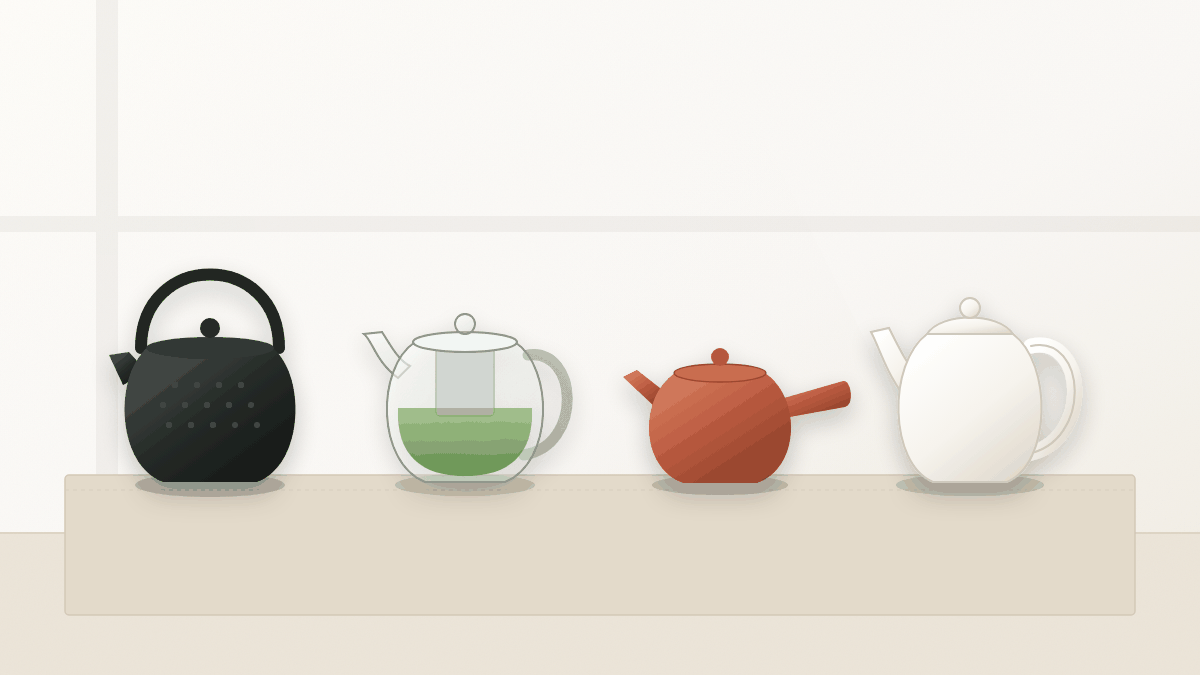
Cast Iron vs. Glass vs. Clay vs. Ceramic: Which Teapot Material Is Best?
Compare thermal conductivity, heat retention, mineral porosity, and tea-type pairing across cast iron, borosilicate glass, Zisha/Tokoname clay, and glazed porcelain.
9 min read
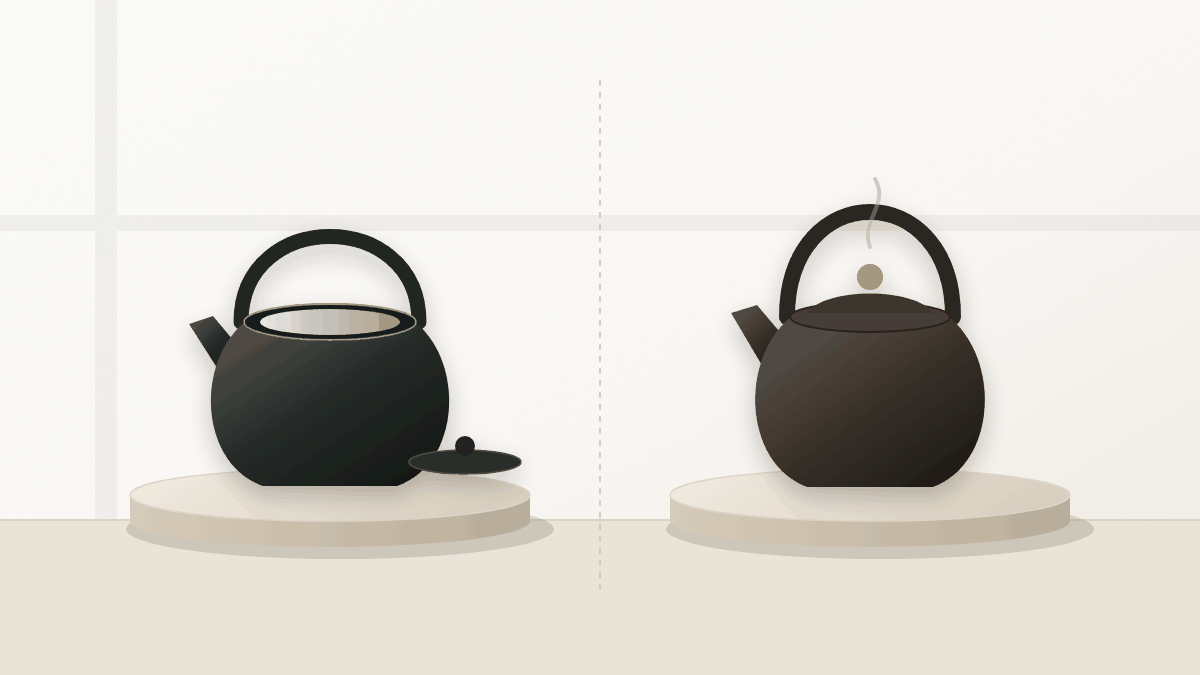
Enamel-Lined Cast Iron Teapot vs. Raw Tetsubin: Critical Differences
Never confuse a kettle with a teapot: learn the crucial differences in lining chemistry, stovetop safety, iron mineral release, and rust care between enamel-lined tetsubin kyusu and raw tetsubin.
10 min read
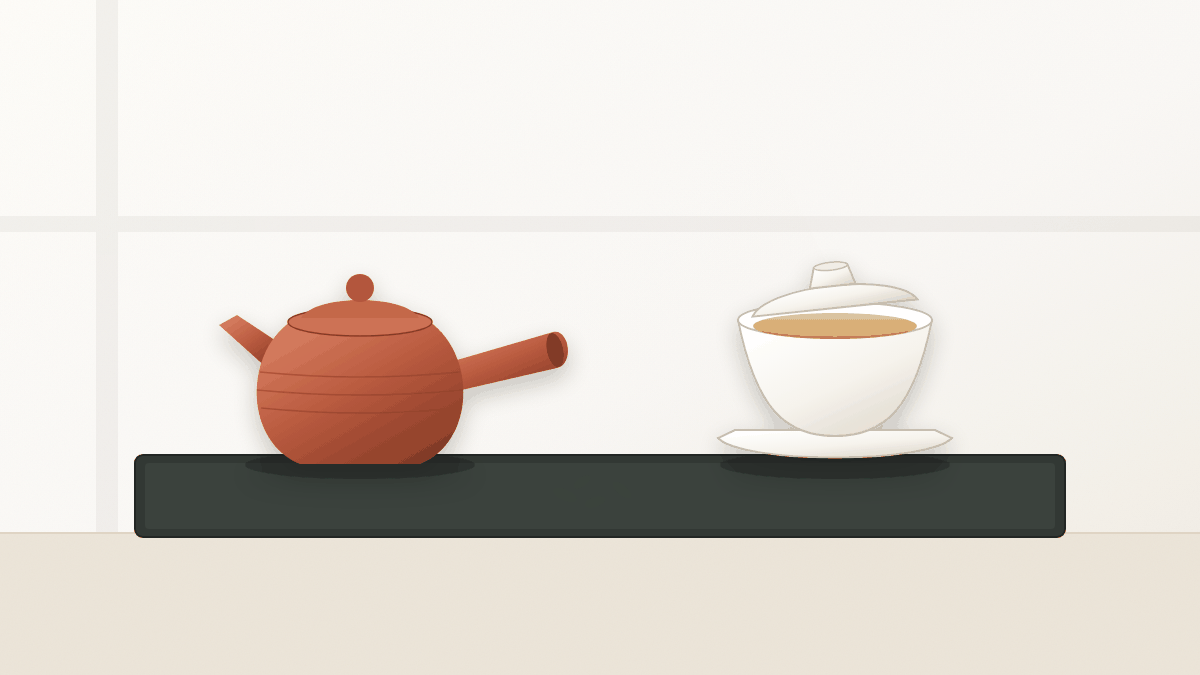
Kyusu vs. Gaiwan: Which Traditional Brewing Vessel Should You Choose?
Side-handle Japanese kyusu vs. lidded Chinese porcelain gaiwan: compare extraction speed, leaf geometry, thermal grip, and tea pairing to choose your daily vessel.